May 23, 2021 · 7 min read · architecture, computer-science, art, personal-development, personal-growth
Computer science is Art: searching for a medium of impact
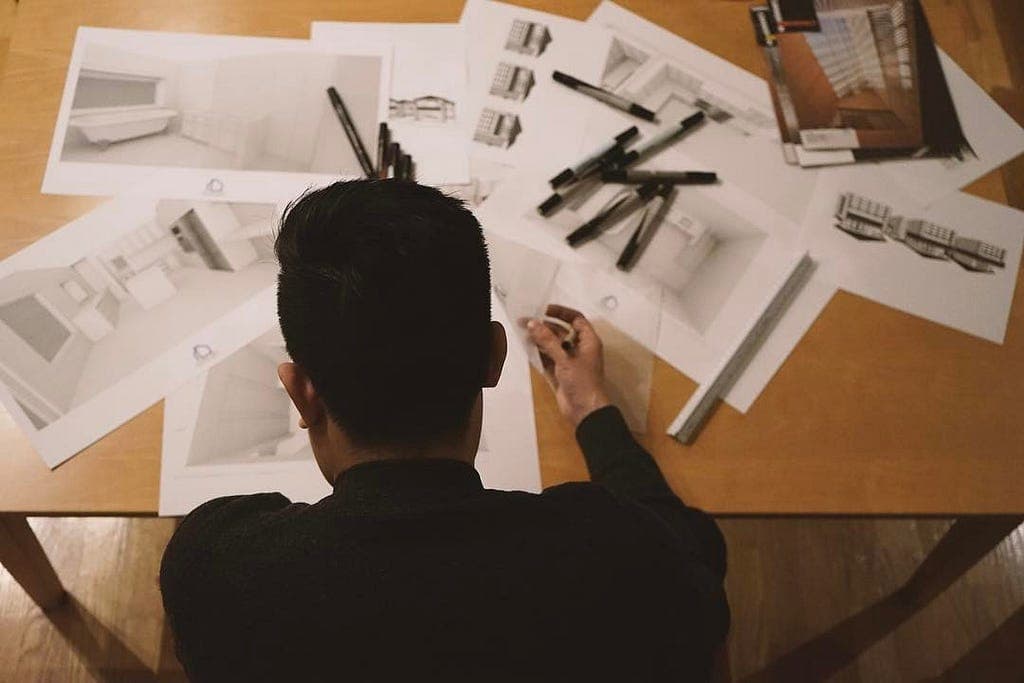
An ode to architecture, a designer’s journey to computer science.
I’m not one for personal stories but I feel like my current life stage is offering a decent opportunity to try something new. For anyone that knows me, I’m trying real hard to avoid making this feel like incoherent ramblings.
Some of you already know this but prior to coming to San Francisco to study Computer Science I operated a design studio. Mostly luxury residential design+build but also a bit of work in fashion, tech, consulting and some product development.
As a kid it was my dream to be a pilot. I flew Cessnas from 12 to 15. I was good at it. At some point around this time I was roped into playing bass guitar in a punk rock band — something the cool people did at the time. For a bunch of kids, we got pretty good, played a lot of shows, produced and sold a few albums and we made a lot of friends with other artists.
These friends opened me to an entirely new world. I loved the very real discussions. The big ideas. Their selfless and unlimited passion. I loved how really regular things like movies or music everyone enjoyed could be dissected and articulated in this bigger way — where everything was over-analyzed and reinterpreted but not for criticism’s sake but instead to make better art.
Art was something I never understood. I have no talent, nor talents. But hearing stories about moments of genius, the intersection and inter-connections between mediums, evolving in this mentally abstract way — I learned that inspiration isn’t some genius formed in a vacuum, it’s a way of living. A life with creative purpose where one could be forever percolating, examining and reinterpreting experiences would be endlessly entertaining. It was so, so exciting.

“The moon and sun are travellers through eternity. Even the years wander on. Whether drifting through life on a boat or climbing toward old age leading a horse, each day is a journey, and the journey itself is home.” — Matsuo Bashō
My call to adventure
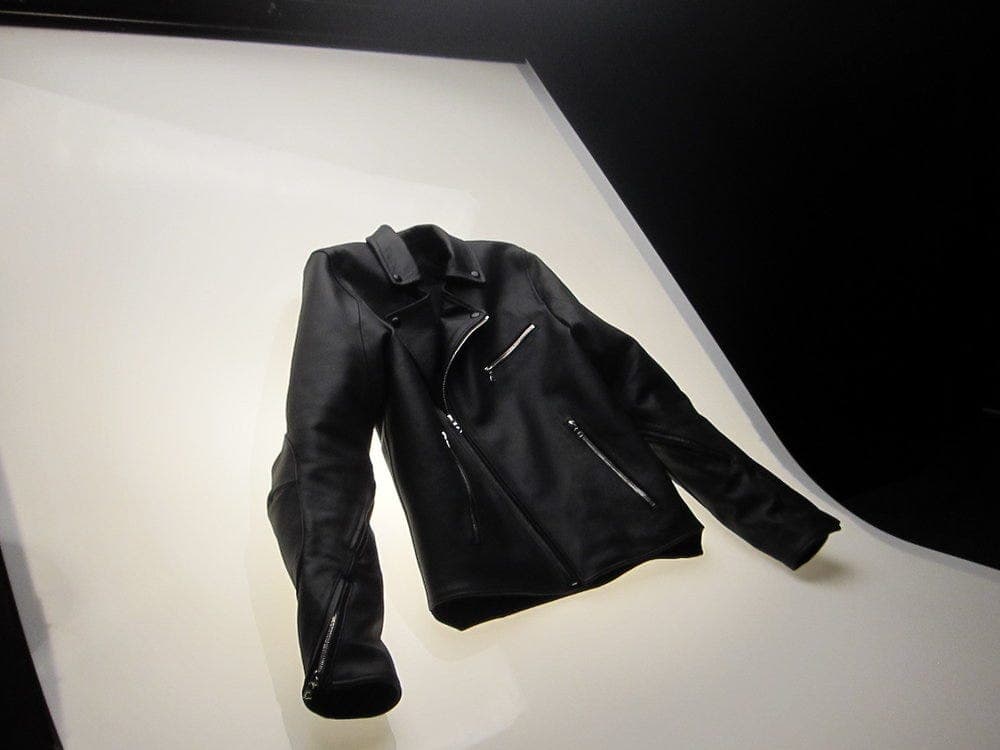
I loved flying. If I wanted happiness I would’ve been a pilot. But I couldn’t be just a pilot anymore. This type of amazing but singular lifestyle started to scare me. Occasional pilot is unfortunately not a profession so for now I’ve settled with racing motorcycles.
I needed this kind of life where I could filter every thought and experience into some yet unknown medium. I wanted to stay infinitely curious. I wanted to find inspiration in every moment of every day. I wanted to put everything into every single project, and I wanted every single project to be something I could bring back into my life.
I wanted to build things. I wanted to produce work that was carefully thought out to the smallest detail and I wanted this work to reach a level where it would prompt the same kind of discussions that my friends and I had. Something worthy of impact. That’s what I needed.
“You will never be able to escape from your heart. So it’s better to listen to what it has to say… “Why do we listen to our hearts?” the boy asked. Because, wherever your heart is, that is where you will find your treasure.” — Paulo Coelho, The Alchemist
Somehow I got into interior design. The drawings were so beautiful — art but also engineering. The power of understanding every detail of my environment intrigued me. It’s so ubiquitous. Every space a person ever inhabits has been designed. There’s something about understanding our extrinsic environment and it’s affects on us that I wish more people understood. That how much of the spaces we inhabit actually define us.
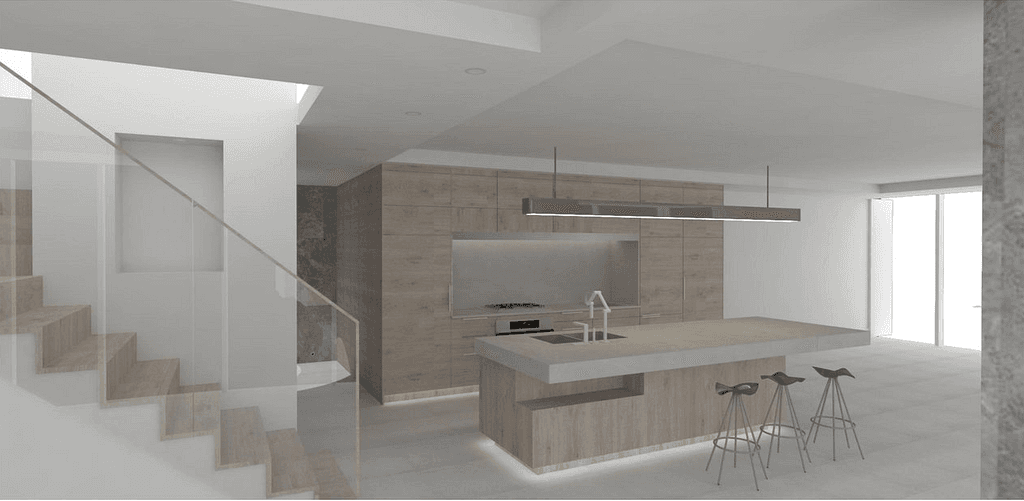
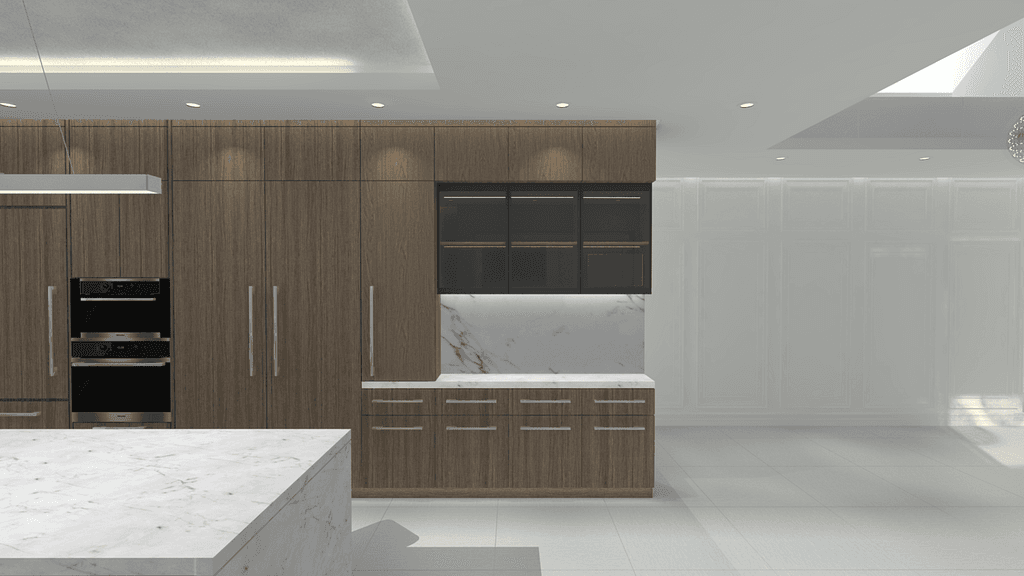
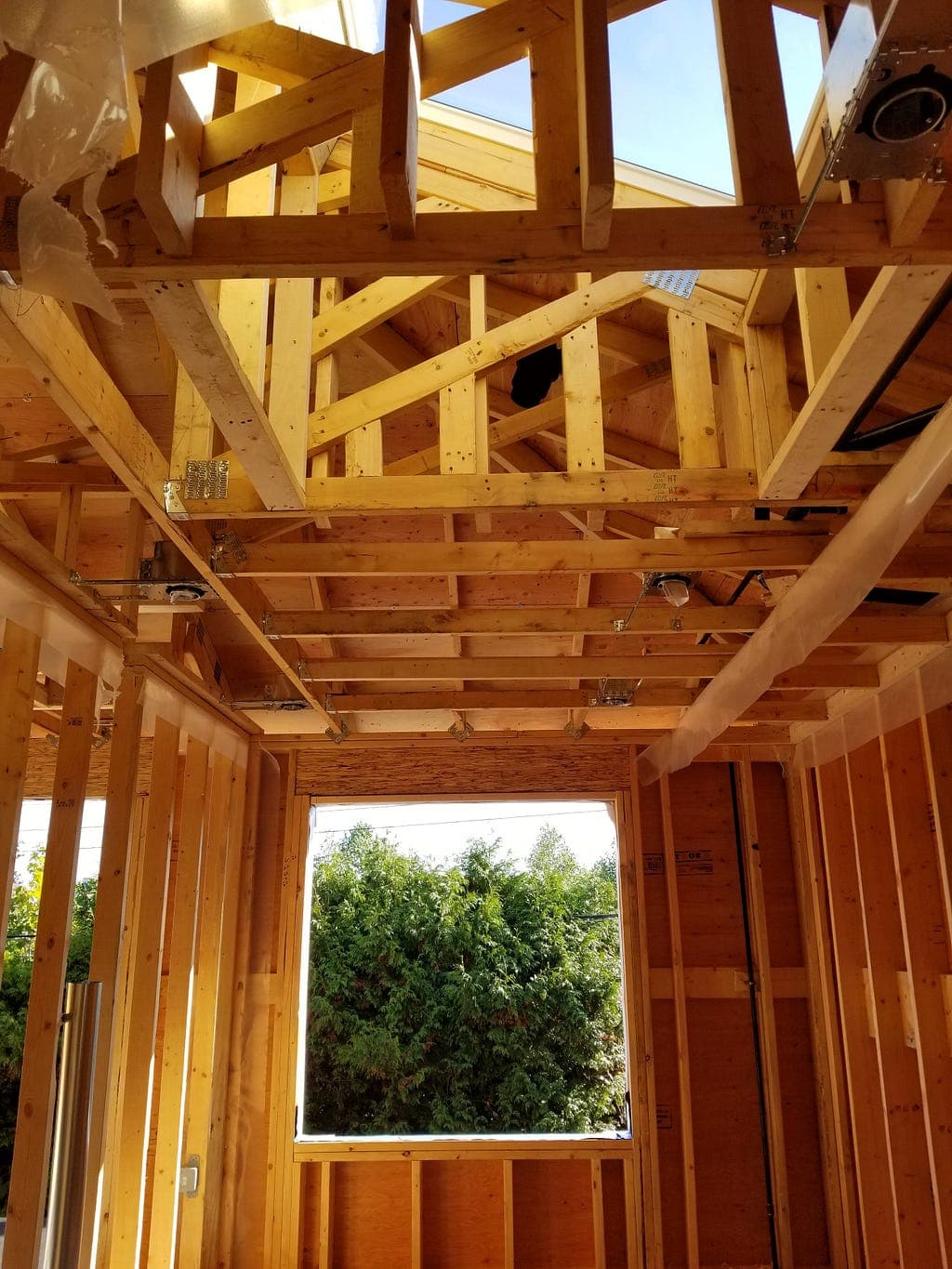
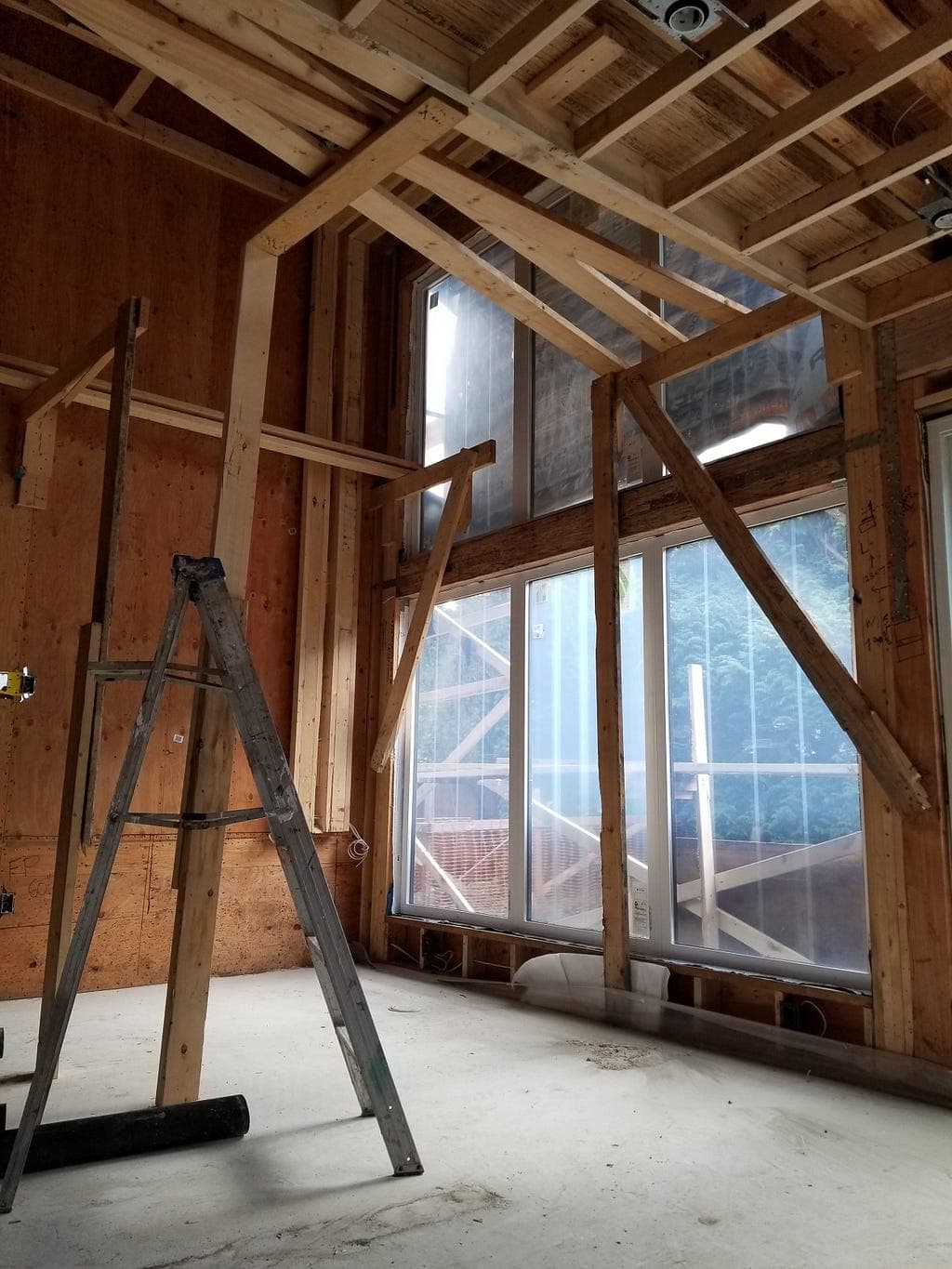
The beauty of Architecture:
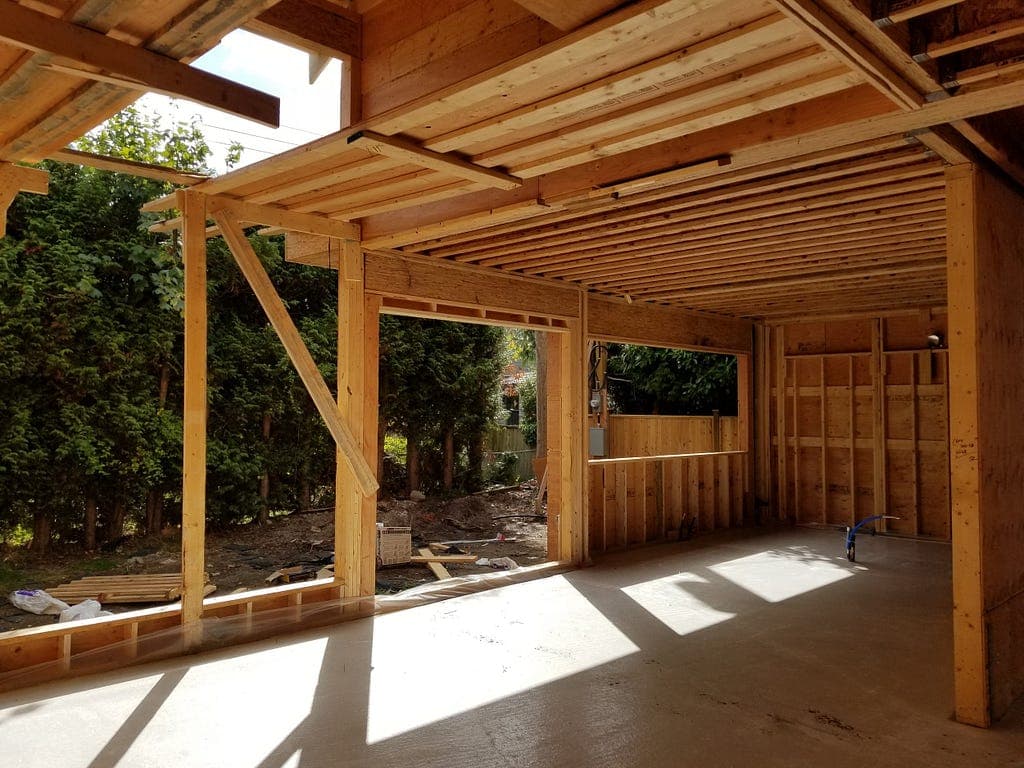
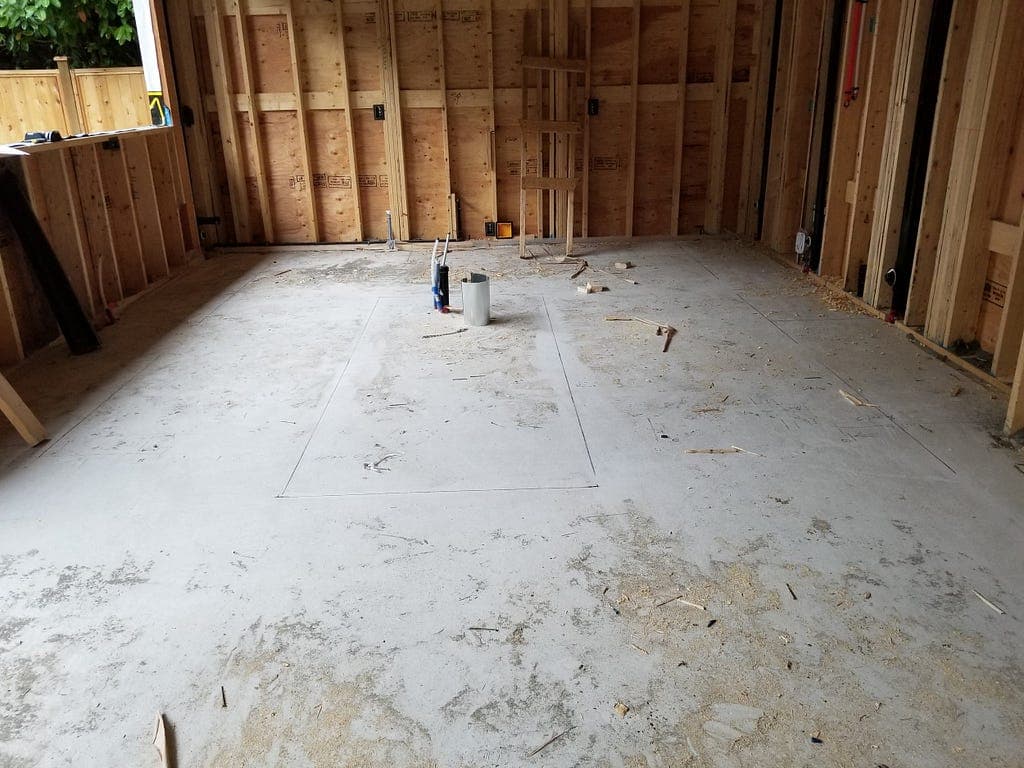
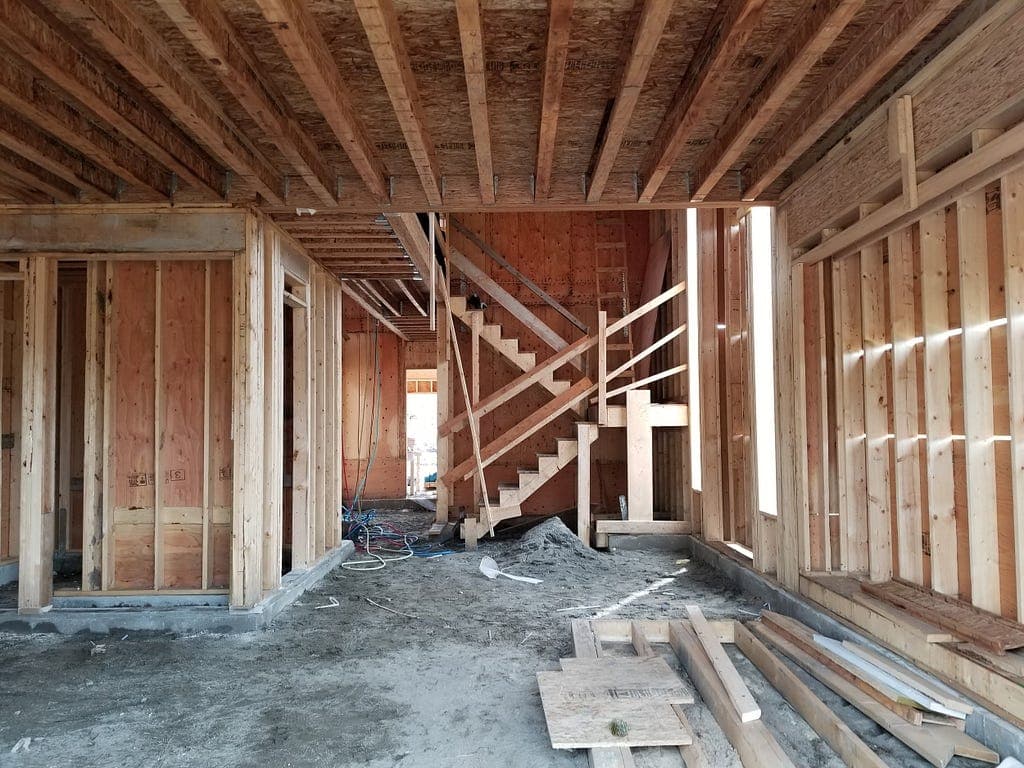
Architecture is exciting. It’s relatable. You’re continuing on a legacy that’s as old as humanity as a species. You get to spend all of your time obsessing and then suddenly dreams become drawings and then you’re standing inside it.
The work always feels so important. Every moment, every project, every discussion you come out more aware, changed, better. There’s so much incredible work and you’re surrounded by geniuses. Everyone has this spark of life — ready to save the world.
“It is evident that “life-enhancing” architecture has to address all the senses simultaneously and fuse our image of self with our experience of the world. The essential mental task of architecture is accommodation and integration. Architecture articulates the experiences of being-in-the-world and strengthens our sense of reality and self; it does not make us inhabit worlds of mere fabrication and fantasy” — Steven Holl, Preface, The Eyes of the Skin
The buildings you create become this culturally shared experience. Everyone understands it on some level. It’s prevalence and it’s ubiquity make it so real. Being an expert makes you feel as though you understand a substantial slice of the human experience. And it’s empathetic. You need to understand people to design things for people.

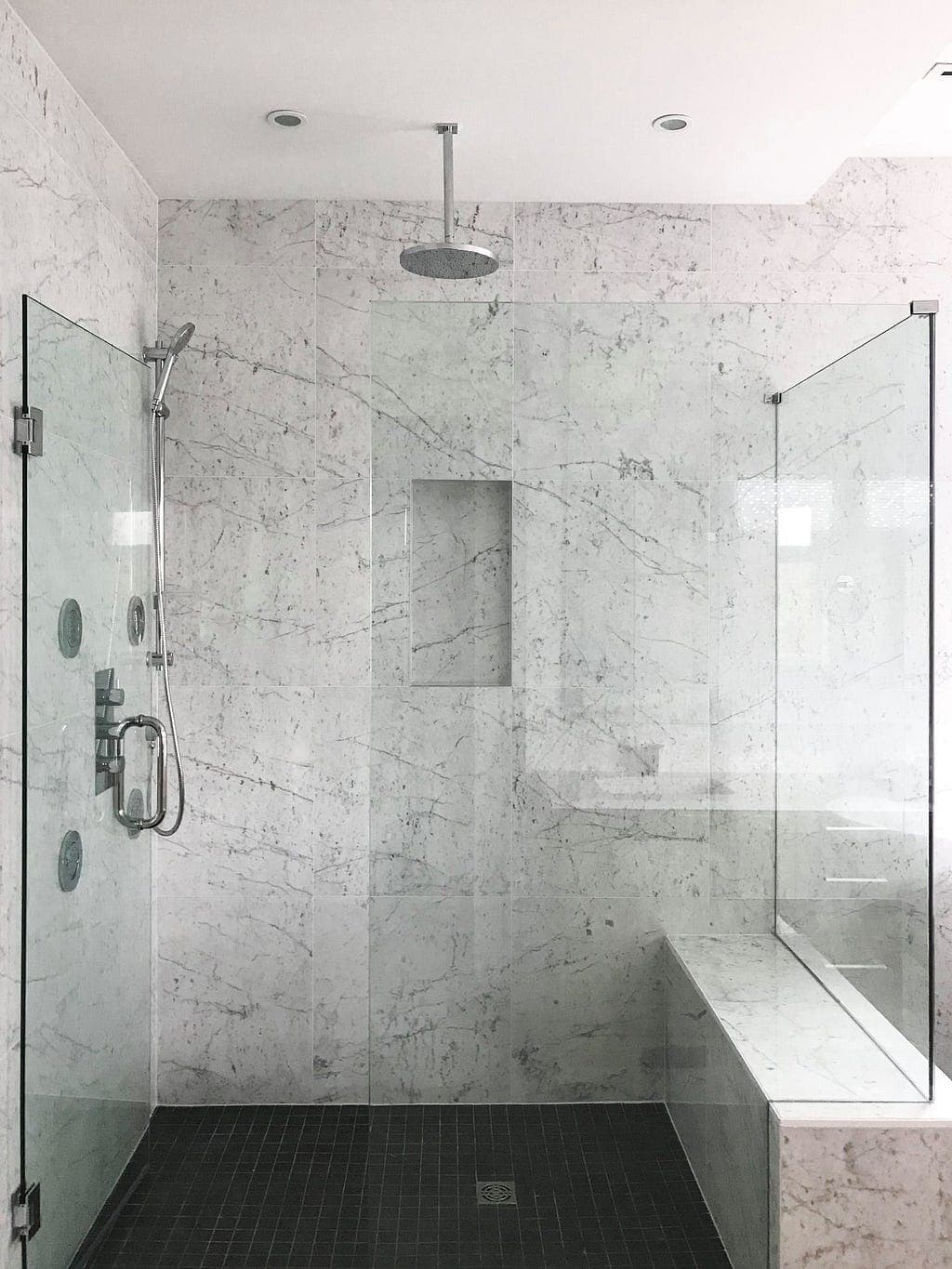
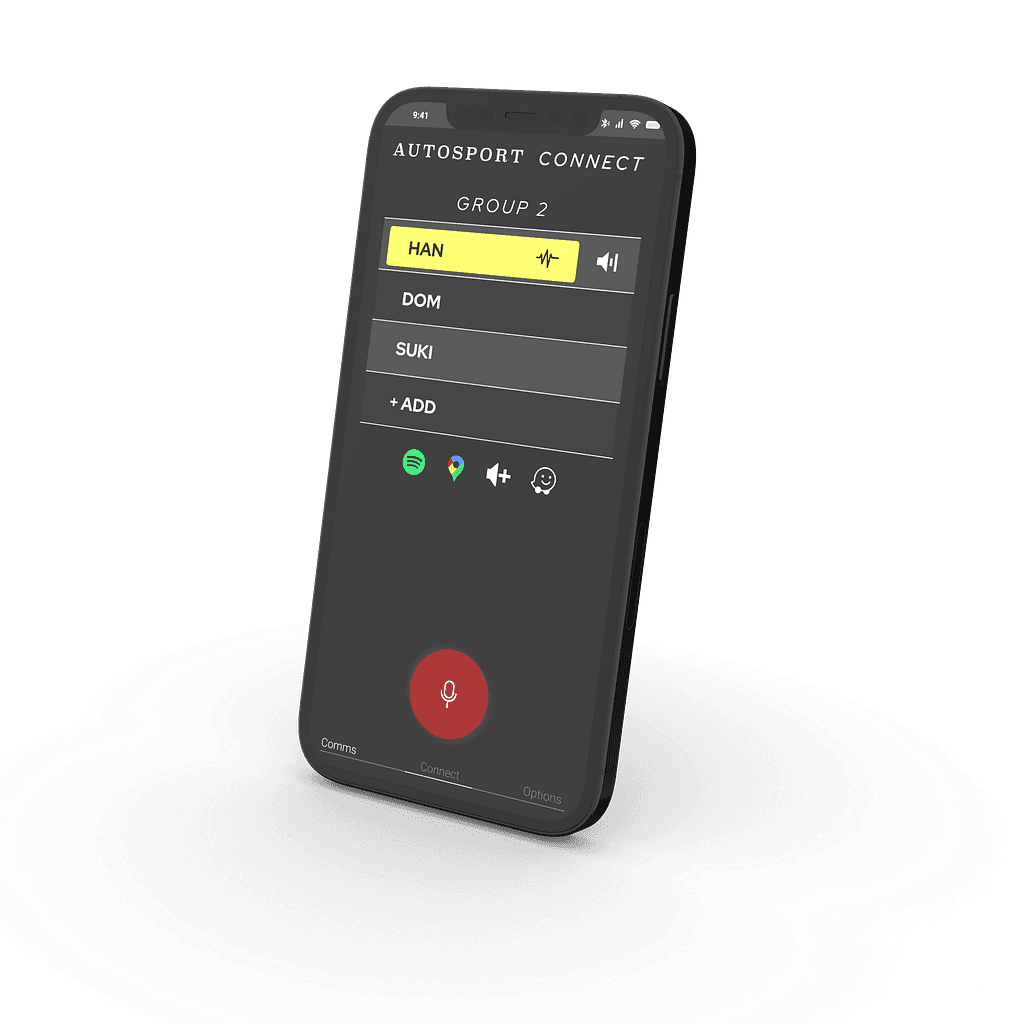
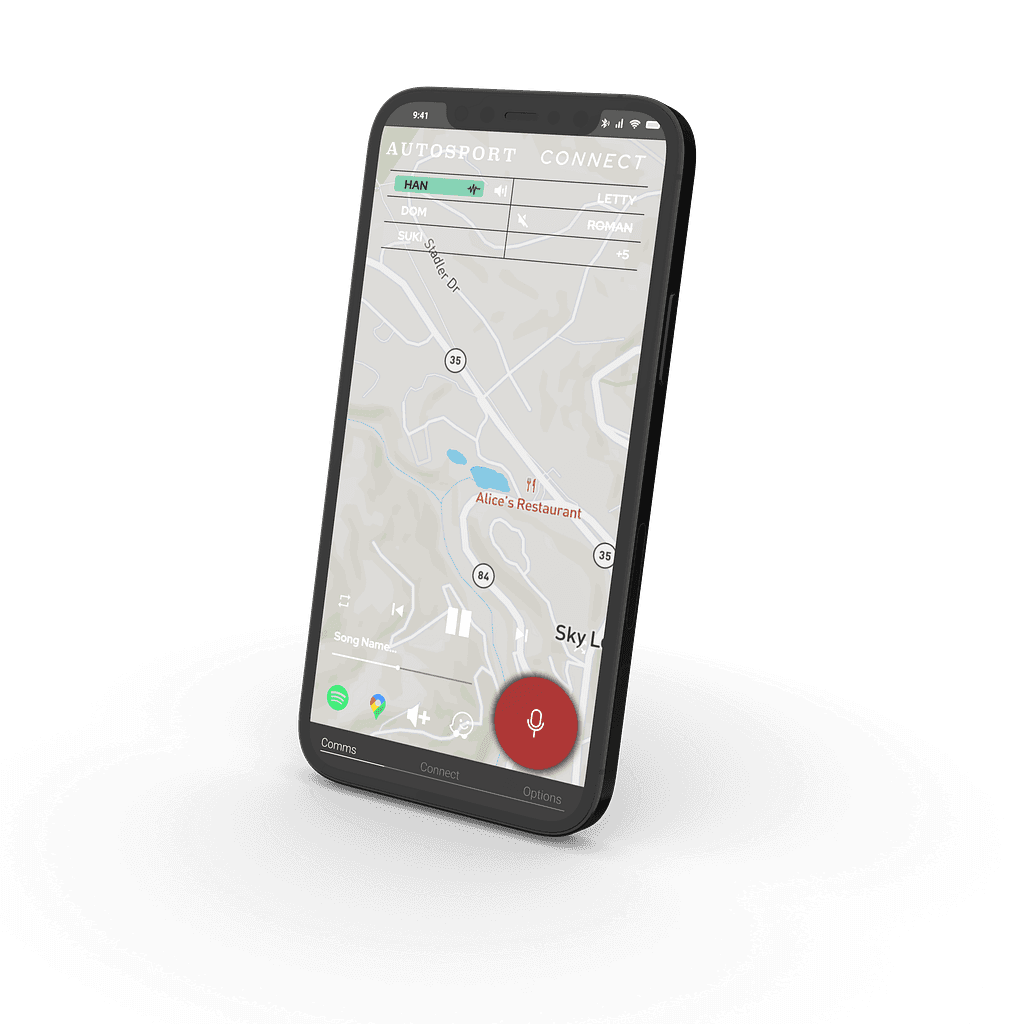
“It is precisely my body which perceives the body of another person, and discovers in that other body a miraculous prolongation of my own intentions, a familiar way of dealing with the world. Henceforth, as the parts of my body comprise a system, so my body and the body of the other are one whole.” — Maurice Merleau-Ponty, Phenomenology of Perception
My Journey into Computer Science
Ten years in design has taught me a lot of things. It’s rewired my thinking to become holistic, neutral and understand the genius we call iteration. It will always be a part of me. I’ll never forget the people, the discussions, the very late nights and very early mornings and the happy clients.
The incredible projects exist and with your developed senses you’ll see all the moments of genius within them. Each project you push a little to inject your idealized mix of best practices but it takes decades to build a portfolio worthy of these types of projects.
For genuine reasons, the built environment is slow. You’re working in sync with hundreds of experts to build a thing that no one person fully understands inside the confines of an ultra complex, ever-changing regulatory environment. I loved the grind, but I don’t want to be waiting for my big break. I need a more active role in finding what I’ve been looking for.
It’s time for me to extend my journey to find impact into a new medium. So here I am, embarking forward from exploring humans in physical spaces to explore humans in digital spaces.
Intersections and Interconnections
I’m finding parallels everywhere. Just like the built environment, web too, encompasses all the same properties and requirements. Computer science is an incredible world changing field. It’s so new and moves exponentially with paradigm changing discoveries as it’s daily norms.
I realized that all of these ideas I’ve had, everything I’ve ever wanted exists here. It’s a framework for an unlimited potential to create. It’s human-centric. The world changing important work. The genius peers with the spark in their eyes turning abstract nothings into somethings. Everyday new amazing things show up and become a major part of how we live our lives.
Best practices makes sense when you’re designing at scale but in architecture, every project is tailor made. Architecture is and always will be a product whose goal is to transcend it’s limitations. The best you can do within the constraints of knowledge, time, material science, building technology, regulations, budgets, and buildability.
Secretly I’ve always hated projects coming to their end. Knowing that I could’ve done more. More tinkering, another iteration. With software, you start with an MVP and always have the opportunity to iterate for the better: ‘git push’.
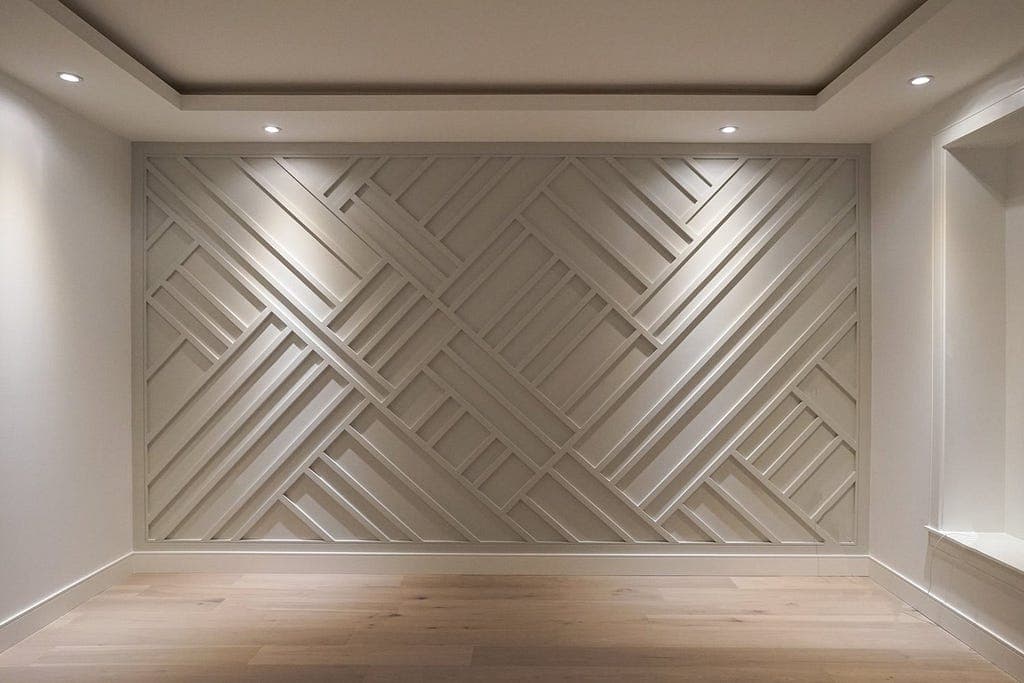
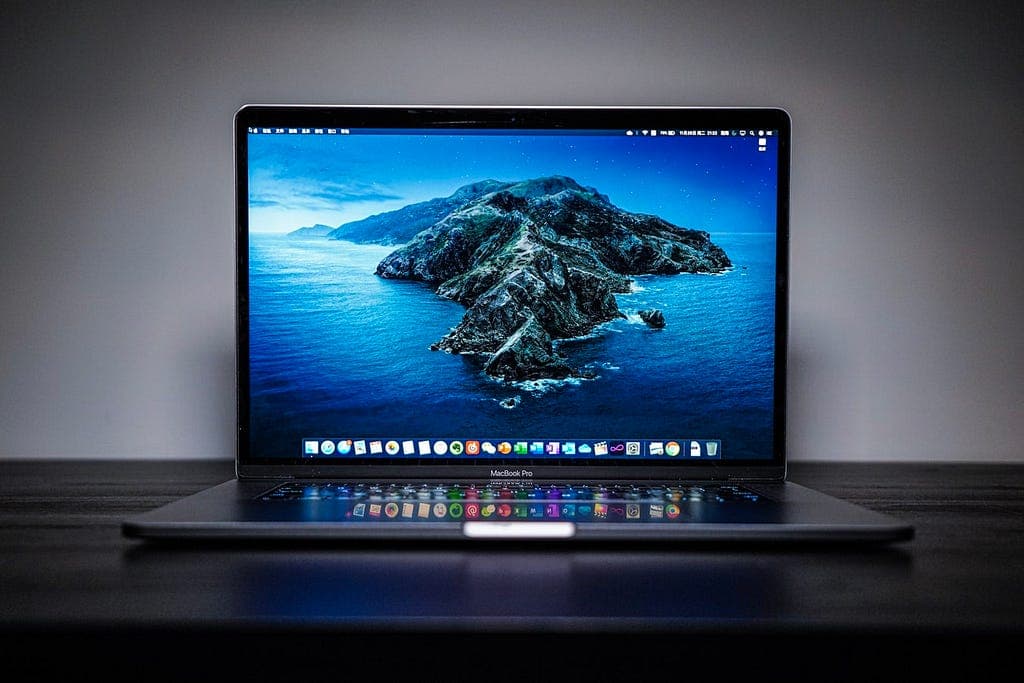
Both exist as abstractions. Both rely on light as a medium to communicate their forms. In these ways and many more I’d argue that art and design are parallel with tech.
It’s been a journey but I’ve come to realize that Computer Science and Art are the same language just spoken with different words in another medium.
The article is getting long so I’ll save it for next time.
“The ultimate meaning of any building is beyond architecture; it directs our consciousness back to the world and toward our own sense of self and being. Significant architecture makes us experience ourselves as complete embodied and spiritual beings. In fact, this is the great function of all meaningful art.” — Juhani Pallasmaa, The Eyes of the Skin
Works Cited:
Campbell, Joseph. The Hero with a Thousand Faces. New World Library, 2008.
Coelho, Paulo, and Alan R. Clarke. The Alchemist, HarperCollins, London, 2002.
Matsuo Bashō. Narrow Road to the Interior, Shambhala, Boston, MA, 2006, p. 1.
Merleau-Ponty, Maurice. Phenomenology of Perception, Routledge, Oxon, 2014.
Pallasmaa. The Eyes of the Skin: Architecture and the Senses, Academy, London, 1996, p. 11.
Tolstoy, Leo, et al. The Kingdom of God Is within You. What Is Art? What Is Religion?, Scribners, New York, 1929, pp. 328–527.
“‘Without Art Mankind Could Not Exist’: Leo Tolstoy’s Essay What Is Art.” TheCollector, 23 Jan. 2021, https://www.thecollector.com/leo-tolstoy-what-is-art/.